Community · Survivor safety · Eugene
Showing Up for Survivors at the University of Oregon
A first-person account of joining the October 4, 2026, University of Oregon march with my family, and the need for survivor safety, due process, and institutional accountability.
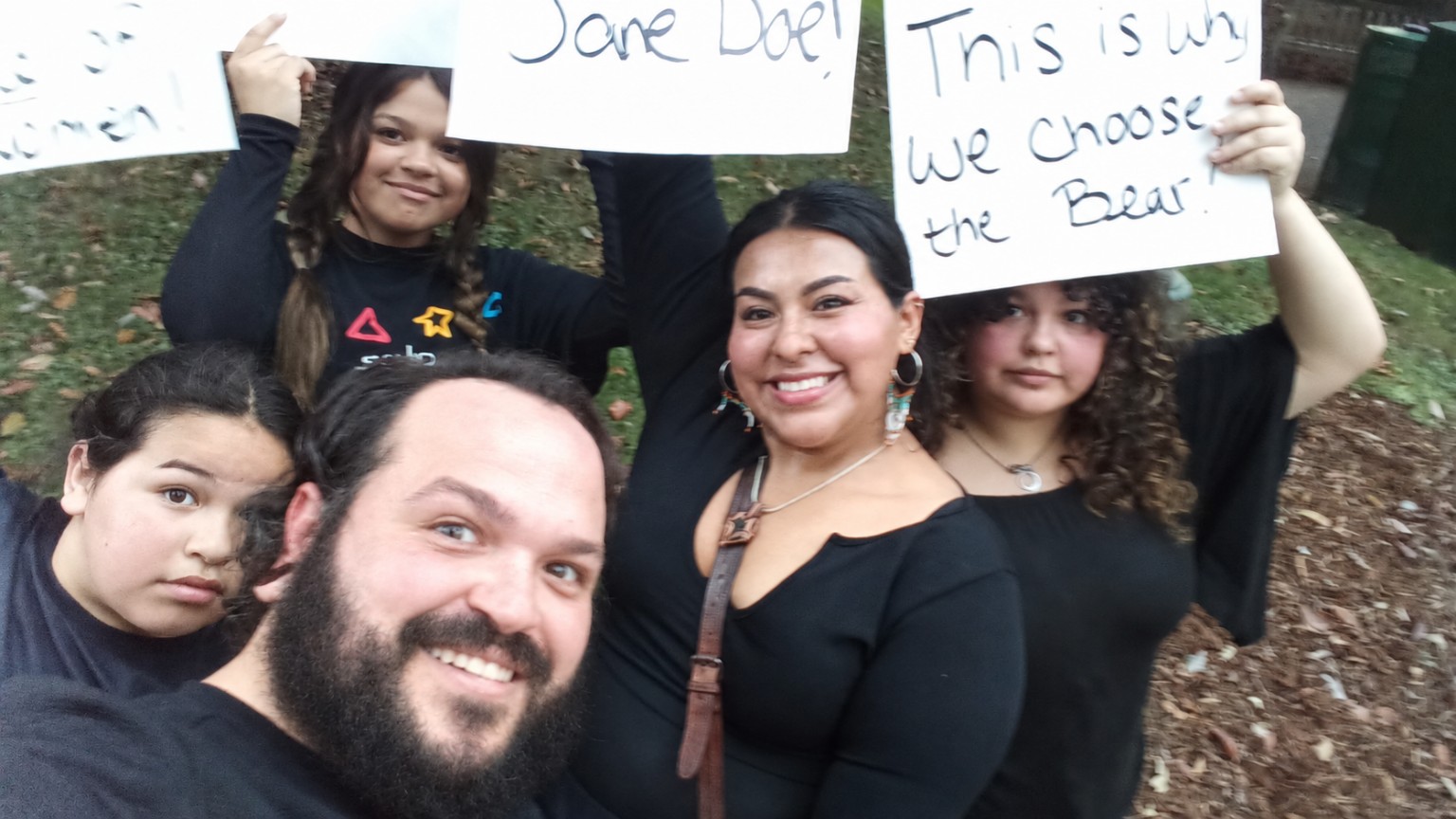
On October 4, 2026, Angela, our family, and I joined students and community members at the University of Oregon in Eugene for a march calling attention to sexual violence and the responsibility institutions have to protect the people they serve.
We attended as a family because safety and dignity should not depend on where someone goes to school, who holds power, or whether a survivor feels comfortable speaking publicly. We came to stand alongside our neighbors and listen, not to speak for any survivor.
What the reporting establishes
The Register-Guard reported that nearly 100 people marched after five sexual assaults were reported on or near campus during a one-week period. In its corrected reporting, the newspaper cited UO's 2026 Annual Campus Security and Fire Safety Report for 21 on-campus sexual-assault reports in 2025 and three off-campus rape reports. These are reported incidents in specified categories, not a measurement of how many people experience sexual violence. The newspaper corrected an earlier total in its headline.
Reporter Miranda Cyr also spoke with me at the march. I appreciate the attention to the students and community members raising these concerns, while recognizing that the story should remain centered on survivors, reporting systems, and prevention.
What institutional accountability requires
My view is that schools and public institutions must provide clear safety information, accessible reporting pathways, trauma-informed support, timely preservation of evidence, and meaningful independent review where conflicts of interest exist. Survivors should be able to seek medical and legal help without being pressured to make their experiences public.
Investigations should be fair, thorough, and prompt. Due process protects everyone involved, and accountability requires consequences proportionate to findings established through lawful procedures. Institutions should publish understandable aggregate data, explain their processes, and examine whether their safeguards actually work.
Why we brought our family
For us this was not a photo opportunity. It was one way to show our children that consent, respect, and concern for others are responsibilities we practice in public as well as at home. The signs, conversations, and people present were reminders that students deserve to move through their campuses without fear.
I will continue listening to students, survivors, advocates, educators, and community members. My developing public policy positions on women's autonomy, survivor protections, and institutional accountability are available in the Honor Agenda.
Coverage and verification
- The Register-Guard via Yahoo News: corrected report on the October 4 march and UO incident counts
- The Register-Guard's October 5 photo coverage by Miranda Cyr
Editorial note: My attendance, motivations, and family experience are personal recollections. Reported incident counts and protest attendance are attributed to the newspaper and the university reports it cites. Newsroom photographs are linked rather than republished.
